

Introduction
A restful night’s sleep is essential for overall well-being, but did you know that your mattress plays a part in maintaining spinal health? Many people experience back pain, stiffness, and discomfort without realising that their mattress might be the culprit. Your spine provides the structural foundation for your body, supporting movement and posture throughout the day. During sleep, it requires proper alignment and support to recover from daily stress.
However, sleeping on an unsupportive or worn-out mattress can lead to poor spinal alignment, muscle strain, and long-term back problems. Whether too soft, too firm, or lacking adequate support, the wrong mattress can exacerbate discomfort and disrupt your sleep quality.
In this article, we’ll explore the significant connection between your mattress and back problems, examining how the right mattress can improve overall sleep quality. Don’t just think of a mattress for comfort; the appropriate one is essential to support your health in the years to come.
Key Takeaways:How are Mattress Quality and Spine Health Related?Sleeping on an unsupportive mattress can lead to spinal misalignment, increased pressure on muscles and nerves, and even contribute to long-term back problems.What Are the Common Back Problems Caused by a Poor MattressThe common back problems include lower back pain, upper back and shoulder pain, as well as morning stiffness and discomfort.Why Should You Change Your Mattress?While a mattress may appear fine, its internal structure gradually deteriorates. Foam layers compress, and coils lose elasticity, leading to poor sleep posture and spinal misalignment. A mattress that no longer supports the body correctly can contribute to chronic back pain, stiffness, and discomfort. |
How Your Mattress Affects Your Spine
How are Mattress Quality and Spine Health Related?
Many people attribute back pain to poor posture, prolonged sitting, or muscle weakness, but there is often a factor overlooked—the quality of their mattress. Sleeping on an unsupportive mattress can lead to spinal misalignment, increased pressure on muscles and nerves, and even contribute to long-term back problems. Let’s dive into the link between mattress quality and spinal health!
1. Loss of Lumbar Support and Spinal Curvature Distortion
The spine consists of three primary curves: cervical lordosis (neck curve), thoracic kyphosis (mid-back curve), and lumbar lordosis (lower back curve). These natural curves provide lumbar support, maintain proper posture and distribute mechanical stress efficiently. However, an unsupportive mattress can cause back problems, disrupting spinal alignment and triggering muscle tension.
When a mattress lacks firmness, the lower back may sink excessively, leading to hyperlordosis (excessive inward curvature of the lower spine). This places strain on the lumbar vertebrae, spinal discs, and surrounding muscles, increasing the risk of lower back pain.
On the other hand, an overly firm mattress can flatten the lumbar curve. It may force the spine into an unnatural position. Due to the stress on the intervertebral discs and spinal ligaments, you may experience pain and stiffness over time.
2. Increased Muscle Tension and Stiffness
When a mattress fails to provide adequate spinal support, the muscles surrounding the spine must work overtime to compensate for the misalignment. This can result in muscle fatigue, tension, and stiffness, making it difficult to feel fully rested upon waking.
The paraspinal muscles, which run along the spine, become overworked as they attempt to maintain stability throughout the night. Besides, postural muscles, such as the erector spinae, quadratus lumborum, and psoas major, can become strained due to improper sleeping posture. Also, be aware of that lingering muscle tension. The condition may impair circulation, stiffen joints, and escalate the risk of musculoskeletal pain.
For back pain relief and posture support, choose a mattress that supports natural spinal alignment to ease muscle strain. A quality mattress is closely linked to back problems as it allows the body to relax and recover properly during sleep.
3. Uneven Pressure Distribution and Nerve Compression
Given the importance of quality sleep in Singapore’s fast-paced environment, a substandard mattress can disrupt your rest by causing uneven weight distribution. This leads to excessive pressure on your lower back, shoulders, and hips, potentially causing discomfort and even nerve compression. Below are some common symptoms:
- Numbness, tingling, or pain (paresthesia) in areas subjected to excessive pressure.
- Sciatica is a condition caused by compression of the sciatic nerve. It can cause pain radiating from the lower back down to the legs.
- Cervical radiculopathy—nerve compression in the neck region that may weaken arms and shoulders.
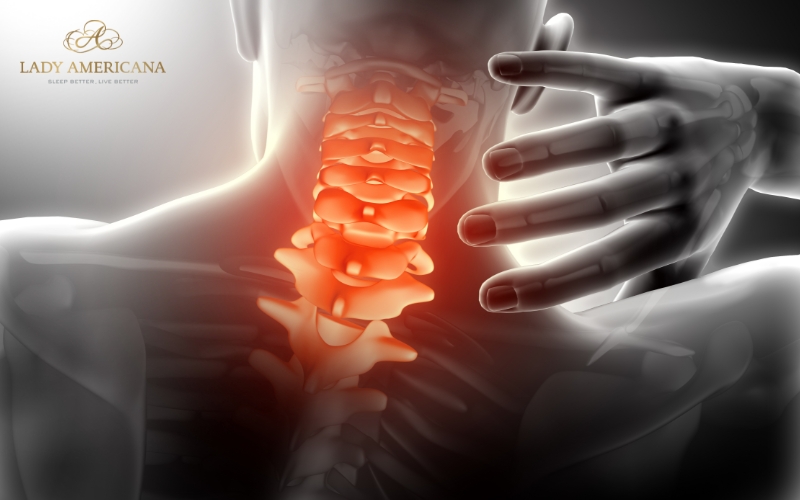
To guarantee sleep quality improvement, it’s important to evaluate the connection between your mattress and back problems. The key is to purchase a mattress for back pain that provides proper support and promotes spinal alignment.
4. Intervertebral Disc Stress and Spinal Degeneration
Intervertebral discs serve as shock absorbers between the vertebrae, cushioning impacts and enabling smooth spinal movement. During sleep, these discs rehydrate and absorb nutrients, aiding in their natural recovery process. However, a mattress that lacks proper support can compress the discs, reducing their ability to regenerate and increasing the risk of spinal degeneration over time.
- Excessive pressure on the spine can accelerate disc wear and tear, potentially leading to conditions such as herniated discs or degenerative disc disease.
- Limited mobility due to discomfort can contribute to spinal stiffness, making it harder to maintain a healthy, active lifestyle.

What Are the Common Back Problems Caused by a Poor Mattress?
After discovering how an unsupportive mattress can affect spinal alignment and contribute to back problems, we will now identify the specific types of discomfort caused by poor mattress quality. Understanding how different areas of the back are impacted can help you make a better purchase.
1. Lower Back Pain
Sagging or overly soft mattresses fail to provide adequate support for the natural lumbar curve of the spine. The lower back, which relies on this support to maintain alignment, bears the brunt of the pressure when the mattress does not conform to the body’s needs. As a result, the increased strain on the lower back muscles and intervertebral discs may escalate into chronic lower back pain. It is essential to select the right mattress firmness and material so that the existing issues do not exacerbate, or lead to new ones over time.
2. Upper Back and Shoulder Pain
A mattress and back problems are closely linked. A mattress that fails to properly align the cervical (neck) and thoracic (mid-back) regions of the spine can trigger tension and pain in the upper back and shoulders. Moreover, poor mattress support may force the body into unnatural positions, straining key muscles like the trapezius and rhomboids. This constant strain on the upper back and shoulders is likely to cause muscle tightness and discomfort. Worse still, it could lead to poor posture during the day. In the long run, this misalignment can significantly increase discomfort and hinder overall mobility.
3. Morning Stiffness and Discomfort
An uneven or old mattress can create uncomfortable pressure points that reduce blood circulation throughout the night. As a result, areas of the body, such as the lower back, neck, and hips, may experience joint stiffness and muscle tightness upon waking. Without proper support, the body cannot fully relax and recover, leading to restricted mobility and morning discomfort. These issues may become more pronounced over time, making it increasingly difficult to feel rested and refreshed in the morning.
How a Good Mattress Supports Spinal Health
What Defines a Good Mattress?
A good mattress is vital for maintaining spinal health and ensuring restful sleep. Not all mattresses are created equal, and choosing the right one can impact your overall well-being, especially true when it comes to mattress and back problems. Here are the key features that define a high-quality mattress:
1. Provide Proper Lumbar Support
One important quality of a good mattress is its ability to provide adequate lumbar support. This support helps keep the spine in a neutral position, preventing misalignment and discomfort. A mattress that offers proper lumbar support helps maintain the natural curvature of the spine, particularly in the lower back.
2. Reduce Pressure Points
A good mattress should conform to the body’s contours, providing targeted support to relieve pressure on areas that are prone to discomfort. Poor pressure distribution can result in discomfort and pain, particularly during sleep. By providing pressure point relief, a mattress helps ensure a more restful and pain-free sleep experience, promoting better recovery and reducing the likelihood of morning stiffness.
3. Minimise Sleep Disturbances
A high-quality mattress plays a part in reducing mattress and back problems. It absorbs movement, preventing partner disturbances that can interfere with a good night’s rest. If you or your partner frequently shift positions during the night, a mattress with good motion isolation ensures that these movements do not disrupt your sleep. This is especially important for couples, as it allows both individuals to maintain uninterrupted, restorative sleep. Additionally, consistent, quality sleep helps the body recover and repair, thereby minimising discomfort, stiffness, and chronic back pain.
4. Enhance Circulation & Recovery
For those who enjoy an active lifestyle, the right mattress is essential for recovery. It encourages good blood flow and muscle relaxation while you sleep. By providing the necessary support and minimising pressure points, a quality mattress improves circulation, reducing muscle stiffness and post-workout soreness. This deeper relaxation leads to faster recovery, so you can wake up feeling ready for the next day’s activities.

How Does Mattress Technology Help with Spinal Alignment?
As mattress technology continues to advance, so does its ability to provide personalised spinal support. Traditional mattresses, either too soft or too firm, lack the adaptability needed to maintain proper spinal alignment. This can often lead to discomfort, poor posture, and long-term back problems. In this section, we will learn how modern innovations support spinal health and prevent back problems related to mattresses.
1. Zoned Support for Spinal Alignment
Unlike traditional mattresses that offer uniform firmness throughout, zoned support mattresses can effectively provide tailored support for different areas of the body. They feature variable support zones to focus on key regions, including the lumbar (lower back) and pelvic areas, which require firmer support to prevent excessive sinking. With targeted support, these mattresses prevent spinal misalignment during sleep, keeping the spine in its natural curvature. This, in turn, lowers the risk of discomfort and back pain.
2. Material Matters: Memory Foam, Latex, and Hybrid Mattresses
The material used in a mattress can have a major impact on spinal alignment and comfort, which is crucial in preventing mattress-related back problems. Take a closer look at some of the most preferred materials:
• Memory Foam
Memory foam is known for its ability to adapt to the body’s shape, providing pressure relief and helping to align the spine properly. It contours to the natural curves of the body, especially in the lower back, hips, and shoulders, which can help reduce pressure points and alleviate back pain. Opting for a Visco memory foam mattress means getting customised support, which is particularly beneficial for those who experience discomfort from a traditional, rigid mattress.
• Latex
Like memory foam, latex is designed to adapt to the body’s shape, only with a firmer, more responsive feel. Latex mattresses provide support while maintaining spinal alignment, helping to reduce pressure points and prevent sagging. Natural latex mattresses have become a popular choice in Singapore, thanks to their natural breathability and durability.
• Hybrid Mattresses
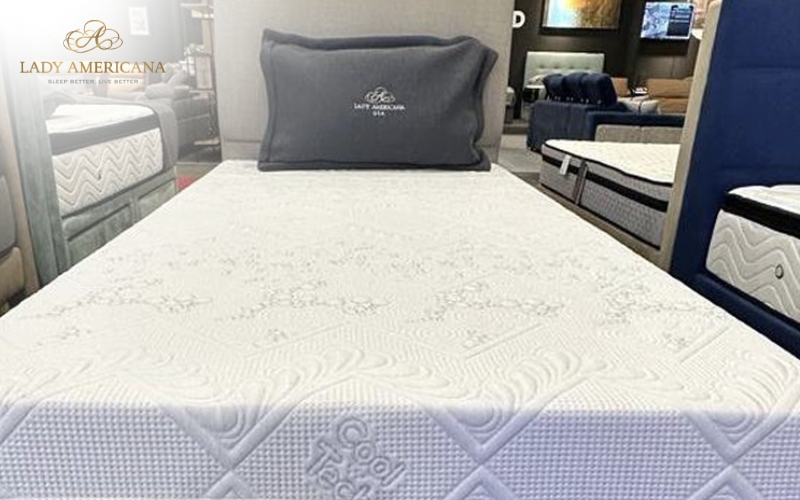
A hybrid mattress combines the best of both worlds, integrating memory foam or latex layers with pocketed springs. The pocketed springs provide a supportive foundation, while the foam or latex layers offer pressure relief and contouring support. This combination helps prevent mattress and back problems by ensuring both spinal alignment and responsiveness. On top of that, hybrid mattresses are a great option for those who need a mattress that adapts to different sleeping positions and movements without compromising spinal support.
How to Choose the Best Mattress for Back Pain Relief
When it comes to finding the best mattress for back pain relief, choosing one that provides optimal spinal support and comfort is essential. Lady Americana’s luxury mattresses are designed with advanced sleep technology, striking the perfect balance of cushioning and support to promote spinal health. Our commitment to quality and innovation has earned us the distinguished approval of the North American Federation of Chiropractic Networks. That’s why we are a trusted mattress brand for those seeking back problem relief. Read on to learn what makes our products special.
1. Perfect Cushioning & Support
A mattress should maintain proper spinal alignment throughout the night, preventing unnecessary strain on the back. Lady Americana mattresses are designed to:
- Keep the spinal cord in a neutral position, reducing stress on the lower back.
- Prevent excessive sinking or pressure buildup on the lumbar spine and pelvis, minimising discomfort.
- Adapt to the body’s natural curves, offering targeted support where it’s needed most.

2. Euro-Top Construction for Enhanced Comfort
A Euro-top mattress features an extra layer of padding stitched directly into the mattress cover. This extra layer of cushioning helps reduce mattress and back problems by preventing discomfort caused by uneven support.
- Enhanced pressure relief by evenly distributing body weight.
- Expanded sleeping area, ensuring consistent comfort across the entire surface.
- Plush yet supportive feel, preventing excessive pressure on the lower back, shoulders, and hips.
3. Luxurious Imported Fabric
To truly feel rested after a night’s sleep, you need not only adequate postural support but also a significant degree of comfort. Lady Americana mattresses are crafted with luxurious Belgian knit fabric, carefully infused with high-quality polyester fibre. This premium fabric enhances both softness and breathability by:
- Providing a plush, inviting feel that envelopes you in comfort for a deeper, more restful sleep.
- Improving airflow and breathability to keep you cool and comfortable throughout the night.
- Maintaining the softness and structure of the mattress over time for long-lasting luxury.
4. Advanced Independent Pocketed Spring System
The foundation of a great mattress lies in its support system. Offering superior weight distribution, our pocketed spring system focuses on the link between mattress and back problems to:
- Provide consistent, responsive support, preventing spinal misalignment.
- Reduce motion transfer, so movement from a sleeping partner does not disrupt sleep.
- Evenly distributing weight, minimising pressure on key contact points such as the lower back, hips, and shoulders.

Replacing Your Mattress Based on Signs and Lifespan
We have now explored how a mattress affects spinal health, posture, and overall sleep quality. Unfortunately, even the best mattress won’t last forever. Over time, materials break down, reducing support and leading to mattress and back problems such as stiffness, discomfort, and poor spinal alignment. Recognising the signs of wear and tear is vital to ensuring that your mattress continues to ‘serve” you. So, why and when should you replace it? Let’s find out more here.
Why Should You Change Your Mattress?
Many people believe they should only replace their mattress when it looks visibly worn out, but this is a common misconception. While a mattress may appear fine, its internal structure gradually deteriorates. Foam layers compress, and coils lose elasticity, leading to poor sleep posture and spinal misalignment. A mattress that no longer supports the body correctly can contribute to chronic back pain, stiffness, and discomfort.
Even if there are no visible signs of damage, an ageing mattress may still cause back problems and compromise sleep quality. Regularly replacing your mattress ensures that you continue to receive the right spinal support, preventing body-ache issues before they start.
What Is the Lifespan of Each Mattress Type?
Every mattress has a built-in lifespan determined by its materials and construction. Being mindful of this lifespan is vital for proactive replacement, helping you prevent the onset of back problems caused by poor-quality mattresses.
1. Innerspring Mattresses
Typically lasts up to 10 years with proper care. As the coils gradually lose their firmness, sleepers may experience poor spinal support.
2. Memory Foam Mattresses
Have a longer lifespan of around 15 years, thanks to their durable structure and ability to retain shape.
The National Sleep Foundation recommends replacing your mattress every 8 years. This is because general wear and tear can reduce support and comfort—even if the mattress appears to be in good condition. So, keep track of your mattress’s age and monitor changes in comfort to prevent discomfort caused by an outdated sleep surface.
How Can You Tell When It’s Time to Replace Your Mattress?
Not sure if it’s time for a new mattress? Look out for these warning signs:
• Morning Back Pain
If you wake up feeling sore, stiff, or uncomfortable, your mattress may no longer be properly supporting your spine.
• Numbness in Limbs
A worn-out mattress creates pressure points, restricting blood circulation and causing numbness in the legs and knees.
• Sagging and Indentations
Try placing a stick or rod across the mattress. If you see a visible dip, it’s a sign that the mattress is losing support.
• Lumps or Uneven Surface
Press down on different areas of the mattress. If you feel lumps or inconsistencies, it’s time for a replacement.
Timely mattress replacement keeps your sleep healthy and restorative. Never ignore these signs as they can lead to long-term spinal misalignment and persistent back pain. Purchase a new mattress to steer clear of back problems.
Frequently Asked Questions
1. How does my mattress affect my back health?
Your mattress plays a part in supporting spinal alignment and easing pressure points. A poor mattress can cause misalignment, back pain, stiffness, and disrupted sleep, leading to long-term spinal issues.
2. Can a bad mattress really cause back pain?
Yes, a sagging, too-soft, or too-firm mattress can strain your back muscles, disrupt posture, and increase pressure on the spine. This may result in chronic back pain and discomfort.
3. What type of mattress is best for back problems?
The best mattress for back pain provides medium-firm support, contours to your body, and promotes proper spinal alignment. Memory foam, latex, and hybrid mattresses with pocketed springs are good options for relieving back pressure.
Conclusion
Investing in a high-quality mattress is one of the most effective ways to protect your spine and enhance overall well-being. The right mattress promotes proper posture, reduces back pain, and improves sleep quality. By aligning the spine correctly and relieving pressure points, a well-designed mattress saves you from back problems and body discomfort.
At Lady Americana, we are committed to helping you achieve the best sleep possible. Founded in 1982, we have grown into one of the fastest-growing luxury mattress brands, with 30 manufacturing facilities across the United States, Canada, Mexico, and Asia.
Don’t let an unsupportive mattress compromise your spinal health. Contact us to explore our premium selection.

